



The Benefits of Implementing Telehealth and Remote Patient Monitoring in Healthcare Facilities
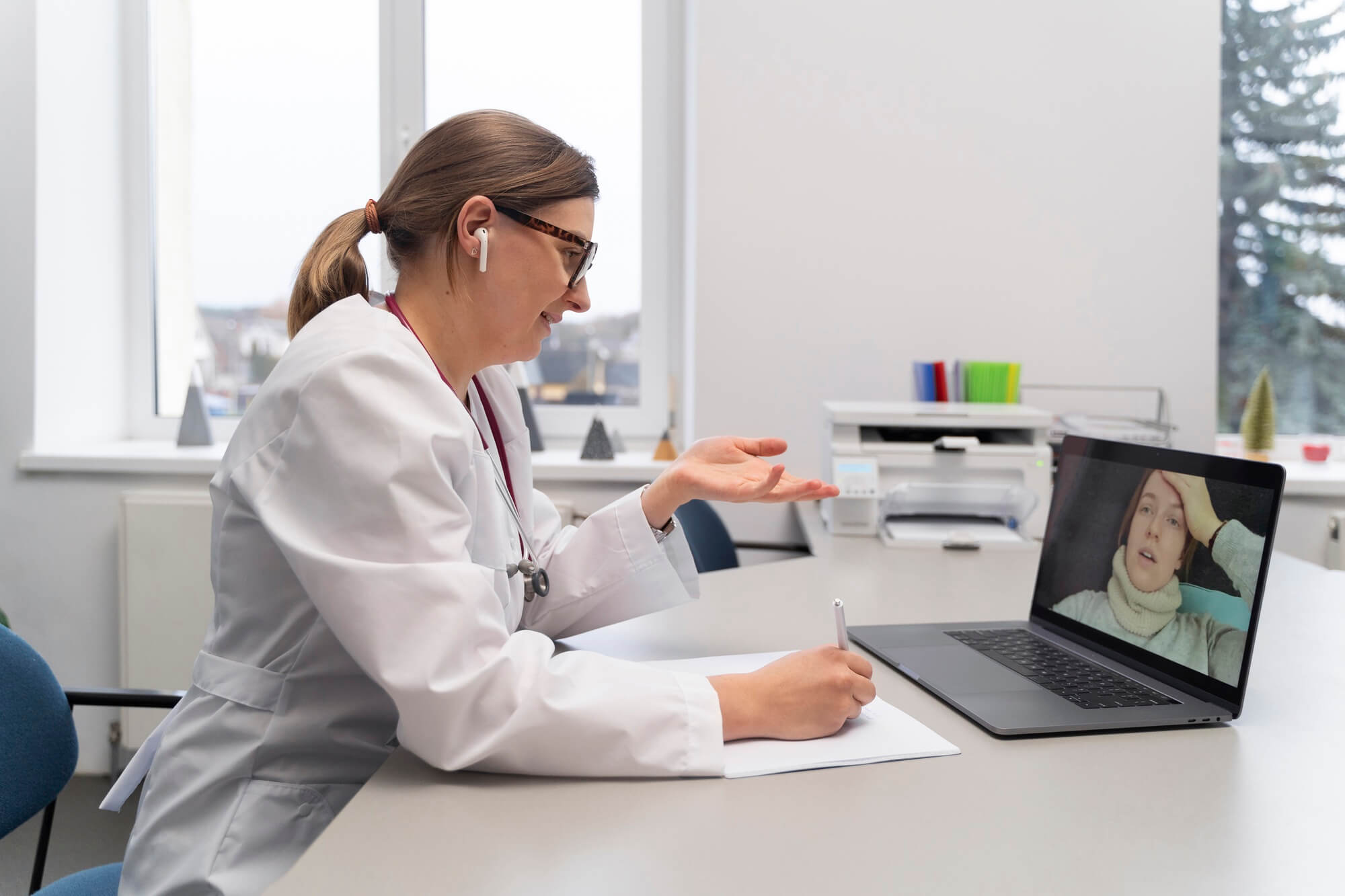
Telehealth and remote patient monitoring have become increasingly popular in recent years, and for good reason. These technologies allow healthcare providers to deliver care to patients anytime and anywhere, while also reducing healthcare costs and improving patient outcomes.
Telehealth refers to the use of telecommunications technologies to deliver healthcare services, while remote patient monitoring allows healthcare providers to monitor and manage patients’ health remotely, often through the use of wearable devices and other connected technologies.
One of the key benefits of telehealth and remote patient monitoring is the ability to improve access to care, particularly for patients in rural or remote areas. By utilizing telehealth technologies, healthcare providers can reach more patients and deliver care more efficiently, without the need for in-person visits.
Telehealth and remote patient monitoring can also improve patient outcomes by enabling early detection and intervention of health problems. For example, remote patient monitoring can help healthcare providers monitor patients’ vital signs and symptoms, allowing for early intervention if a health problem arises.
In addition to improving patient outcomes, telehealth and remote patient monitoring can also reduce healthcare costs. By reducing the need for in-person visits and hospitalizations, healthcare providers can save on costs related to staffing, facilities, and equipment.
Overall, the benefits of telehealth and remote patient monitoring are clear. As these technologies continue to advance and become more widely adopted, we can expect to see even greater improvements in healthcare delivery and patient outcomes.